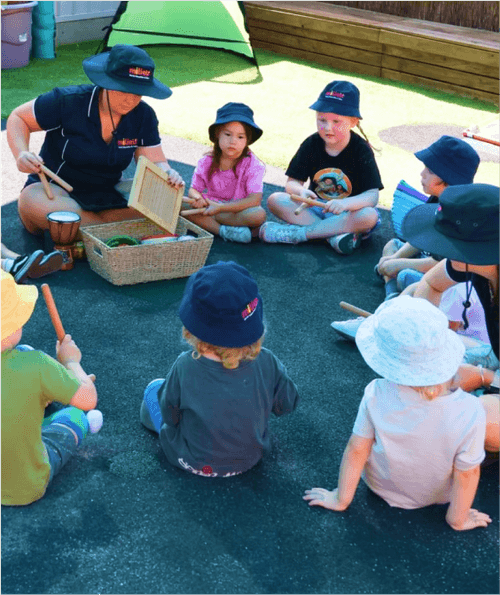
The transition from early childhood education to formal schooling is a significant milestone in a child’s development. A well-structured school readiness program can play a crucial role in ensuring that children are not only academically prepared but also emotionally and socially equipped for this new chapter. By focusing on holistic development, these programs aim to unlock the potential within each child, setting a strong foundation for lifelong learning and success.
The Core Components of a School Readiness Program
A comprehensive school readiness program encompasses several key components designed to prepare children for the demands of school life. These components typically include:
- Academic Skills: Focus on foundational literacy and numeracy skills that provide the basis for future learning.
- Social Skills: Encourage interaction with peers and adults, fostering communication, cooperation, and conflict resolution.
- Emotional Development: Help children understand and manage their emotions, promoting resilience and adaptability.
- Physical Development: Activities that enhance fine and gross motor skills, preparing children for the physical demands of school.
- Independence: Encourage self-help skills and problem-solving abilities, building confidence and autonomy.
The Benefits of School Readiness Programs
The advantages of enrolling children in a school readiness program are manifold, with long-term positive impacts on their educational journey.
Academic Preparedness
One of the primary benefits of a school readiness program is academic preparedness. Children gain exposure to pre-reading, writing, and mathematics concepts, which helps ease the transition to formal schooling. This early exposure often leads to:
- Improved literacy and numeracy skills.
- Greater engagement in classroom activities.
- Higher academic achievement in the early years of schooling.
Social and Emotional Growth
Emotional intelligence and social skills are critical components of a child’s development. School readiness programs provide a nurturing environment for children to:
- Develop empathy and understanding towards others.
- Build strong relationships with peers and teachers.
- Enhance their ability to work in groups and communicate effectively.
Building Confidence and Independence
Confidence and independence are key outcomes of effective school readiness programs. Children learn to:
- Take initiative in their learning and problem-solving.
- Perform tasks independently, fostering self-reliance.
- Approach new challenges with a positive mindset.
Conclusion
Investing in a structured school readiness program can yield significant benefits for young children, providing them with the skills and confidence needed to thrive in their educational journey. By focusing on a comprehensive approach that includes academic, social, emotional, and physical development, such programs lay the groundwork for lifelong learning and success. For more information on the importance of school readiness, consider exploring resources available through educational organizations and early childhood experts.
About the Author