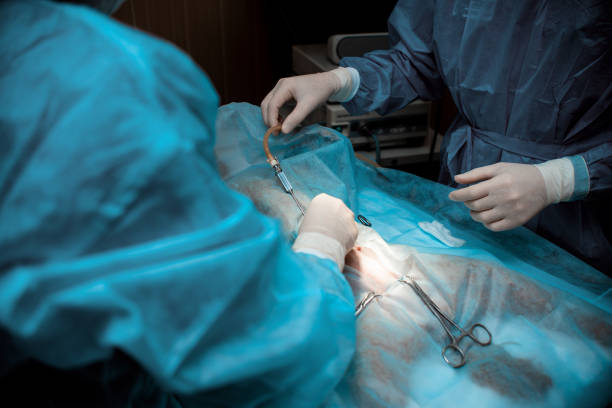
The evolution of medical technology has significantly transformed the landscape of surgical procedures, enhancing both efficiency and patient outcomes. Advanced surgical center equipment plays a pivotal role in streamlining operations, reducing risks, and ensuring precision. As surgical centers continue to adopt cutting-edge technology, the emphasis on integrating advanced equipment becomes a fundamental aspect of modern healthcare practices. This article delves into the various aspects of how advanced surgical equipment is reshaping procedural efficiency and patient care.
The Role of Advanced Equipment in Surgical Centers
Modern surgical centers are increasingly relying on advanced equipment to perform a wide array of procedures with minimal invasiveness and maximum precision. This technological leap is not just about improving surgical outcomes but also about enhancing the overall patient experience.
Benefits of Advanced Surgical Equipment
- Enhanced Precision: Advanced equipment allows for greater accuracy in surgical procedures, reducing the margin for error.
- Improved Safety: With sophisticated technology, the risk of complications during surgery is significantly reduced.
- Faster Recovery: Minimally invasive techniques facilitated by advanced equipment lead to quicker patient recovery times.
- Cost Efficiency: Although initially expensive, advanced equipment can reduce long-term costs by minimizing postoperative complications and hospital stays.
For a deeper understanding of how these benefits are realized, read more about this topic.
Types of Advanced Surgical Equipment
The spectrum of advanced surgical equipment is vast, encompassing a range of tools and machines that cater to different medical needs. Here are a few examples:
Robotic Surgical Systems
Robotic systems are revolutionizing the way surgeries are conducted. These systems provide surgeons with enhanced dexterity and control, allowing for minimally invasive procedures. Surgeons can operate with high precision through small incisions, which significantly reduces patient trauma and recovery time. Learn more in this detailed guide about robotic surgical systems and their impact on healthcare.
Imaging Technologies
Advanced imaging technologies, such as MRI and CT scans, offer detailed views of the surgical area, enabling better preoperative planning and intraoperative guidance. These technologies are critical for complex surgeries, ensuring that procedures are carried out with maximum accuracy. Explore further insights here regarding imaging advancements in surgical procedures.
Endoscopic Equipment
Endoscopic tools allow surgeons to perform procedures through small incisions or natural body openings. This approach minimizes surgical trauma and promotes faster healing. Endoscopy is widely used in various fields, including gastroenterology and orthopedics, showcasing its versatility and effectiveness.
Implementing Advanced Equipment in Surgical Centers
The successful integration of advanced equipment in surgical settings requires careful planning and execution. Considerations include:
- Training and Education: Ensuring all medical staff are adequately trained to use new equipment is paramount.
- Cost Management: Balancing the initial investment in technology with the long-term savings from improved efficiency and outcomes.
- Maintenance and Upkeep: Regular maintenance is essential to ensure the equipment operates at optimal levels.
To understand the implementation strategies in detail, find additional information here.
Conclusion
The integration of advanced equipment in surgical centers is not merely a trend but a necessary evolution in medical practice. By enhancing precision, safety, and patient recovery times, these technological advancements are setting new standards in healthcare. As the medical field continues to evolve, staying abreast of technological innovations will be crucial for any surgical center aiming to provide the highest quality of care.
About the Author