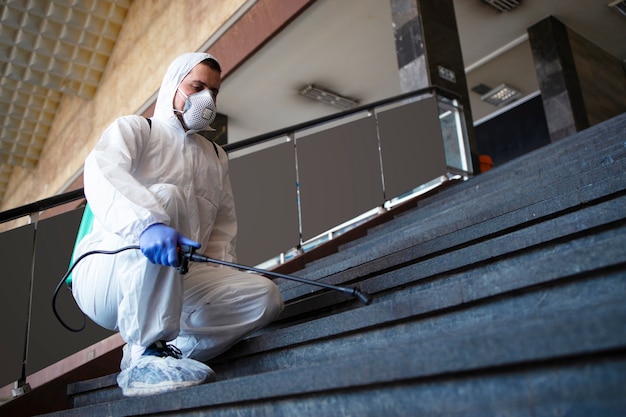
Maintaining a healthy indoor environment is crucial for comfort and well-being. A critical aspect of indoor air quality management involves the meticulous cleaning of air ducts and HVAC systems, particularly when mold becomes a concern. Mold can compromise the efficiency of these systems and pose significant health risks. This article delves into expert tips for effectively handling mold in air ducts and HVAC systems, ensuring a safe and clean atmosphere in residential and commercial spaces.
Understanding the Impact of Mold in HVAC Systems
Mold growth in HVAC systems can lead to a myriad of problems, including allergic reactions, respiratory issues, and unpleasant odors. Here”?s why addressing mold immediately is imperative:
- Health Risks: Mold spores can trigger allergies, asthma, and other respiratory conditions.
- System Efficiency: Mold can obstruct airflow, reducing the energy efficiency of HVAC systems.
- Property Damage: Prolonged mold exposure can damage the structural components of HVAC systems.
For comprehensive insights into dealing with HVAC mold issues, explore advanced guides and tips.
Signs of Mold in Air Ducts
Detecting mold early can prevent extensive damage and health hazards. Look out for these symptoms:
- Musty Odors: A persistent musty smell often indicates mold presence.
- Visible Growth: Mold often appears as black, green, or white patches around vents and ducts.
- Unexplained Health Issues: Frequent coughing, sneezing, or allergic reactions may signal mold exposure.
Understanding these signs can help you take timely action. For more information, discover expert strategies here.
Steps for Effective Mold Removal
Once mold is identified, a systematic approach to removal is necessary to ensure thorough cleaning and prevention of recurrence.
Initial Assessment
Begin with a professional assessment to determine the extent of mold contamination. A thorough inspection will guide the cleaning process and identify areas needing urgent attention. Learn about our tailored solutions for effective mold assessment.
Cleaning and Disinfection
Effective cleaning involves the use of specialized equipment and cleaning agents. Steps include:
- Using HEPA-filtered vacuums to remove loose spores.
- Applying EPA-approved antimicrobial solutions to eliminate mold.
- Ensuring all parts of the HVAC system, including coils and drip pans, are thoroughly cleaned.
For a detailed cleaning methodology, find out more about this approach.
Preventive Measures
Preventing mold recurrence is as vital as its removal. Implement these measures:
- Regular Maintenance: Schedule periodic inspections and cleanings to maintain system integrity.
- Humidity Control: Use dehumidifiers to maintain indoor humidity levels below 60%.
- System Upgrades: Consider upgrading to modern HVAC systems with enhanced filtration capabilities.
To ensure long-term mold prevention, explore advanced guides and tips.
Conclusion
Addressing mold in air ducts and HVAC systems is vital for maintaining a healthy living and working environment. By understanding the signs of mold, taking effective cleaning measures, and implementing preventive strategies, indoor air quality can be significantly improved. Engage with experts to ensure comprehensive mold management and protect the health and safety of all occupants. For further assistance, discover expert strategies here.
About the Author