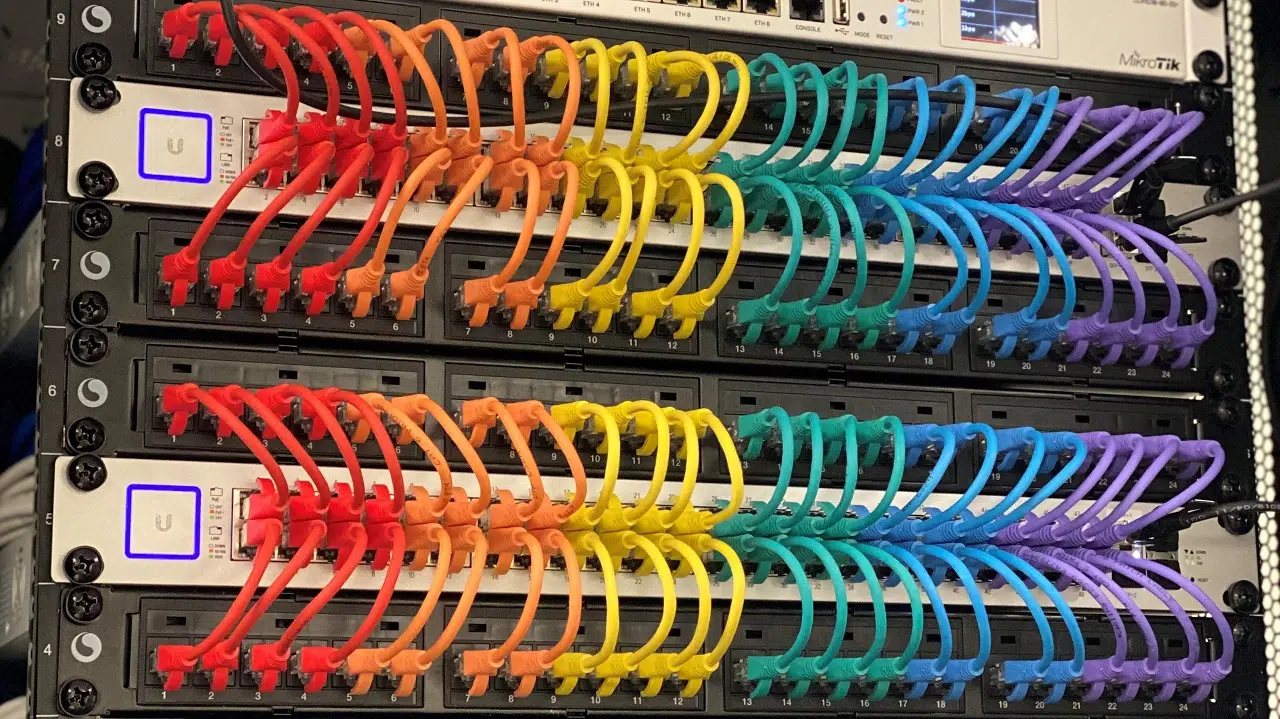
Cabling installation is a critical component of any modern infrastructure, providing the foundation for network connectivity and data transmission. A well-planned and executed cabling system ensures efficient and reliable communication, reducing downtime and enhancing organizational productivity. Whether installing a new cabling network or upgrading an existing one, understanding the key elements of efficient cabling installation can lead to long-term benefits and cost savings. Below, we explore essential tips that can guide a successful cabling installation process.
Plan Thoroughly
Planning is the cornerstone of any successful cabling project. A comprehensive plan should include:
- Identifying the specific requirements of the network, including the types of devices and their locations.
- Determining the appropriate type of cabling, whether it’s copper, fiber optic, or a combination.
- Mapping out the cabling routes and considering potential obstacles.
- Calculating the required cable lengths and ensuring an adequate supply.
- Planning for future expansion to avoid costly re-installations.
For a detailed guide on planning a cabling project, read more about this topic.
Select the Right Cabling
Copper vs. Fiber Optic
Choosing between copper and fiber optic cables depends on several factors:
- Copper Cables: Typically used for shorter distances and are cost-effective.
- Fiber Optic Cables: Suitable for long distances and offer higher bandwidth.
Carefully consider the specific needs of the network and environment to make the best choice. Learn more in this detailed guide.
Consider the Environment
The installation environment significantly affects the efficiency and longevity of a cabling system:
- Assess the presence of electromagnetic interference, which can affect signal quality.
- Consider temperature fluctuations and humidity levels, especially in industrial settings.
- Ensure compliance with local building codes and regulations.
Balancing these factors will help in selecting the right type of insulation and installation methods. Explore further insights here.
Labeling and Documentation
Proper labeling and documentation are vital for maintaining an efficient cabling system:
- Label all cables clearly and consistently for easy identification.
- Keep detailed records of the cabling layout and connections.
- Update documentation regularly to reflect any changes or upgrades.
Effective documentation aids in troubleshooting and simplifies future upgrades or repairs. Find additional information here.
Test and Verify
Testing is an integral part of the installation process, ensuring that the system functions as intended:
- Conduct thorough testing of all connections for continuity and signal strength.
- Utilize industry-standard tools and equipment for accurate results.
- Document test results for future reference and compliance.
Regular testing and verification maintain the integrity of the cabling system and prevent potential issues.
Implementing these essential tips for efficient cabling installation can greatly enhance the performance and reliability of a network. Proper planning, selecting the right materials, and meticulous execution are key to a successful cabling project. For more comprehensive insights, consider exploring additional resources and guides.
About the Author