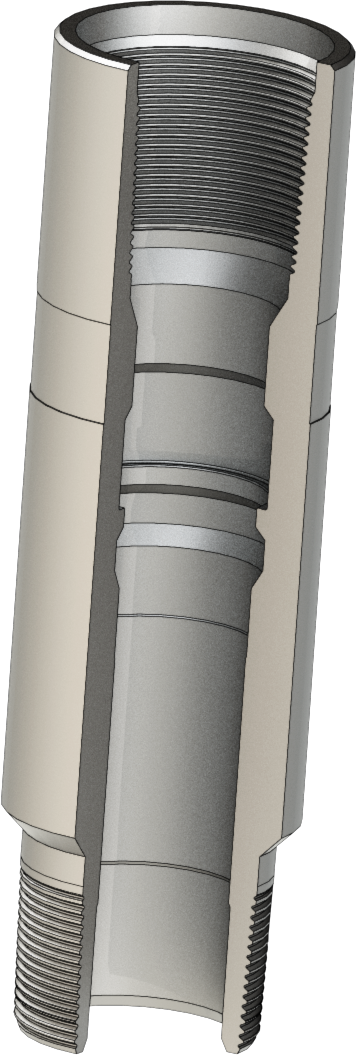
In the complex environment of oil and gas extraction, wellbore applications play a crucial role in ensuring efficient and safe resource recovery. These applications require precision-engineered components that can withstand harsh conditions while optimizing operations. As the industry advances, the importance of selecting the right tools and technologies becomes increasingly apparent. This article explores the key components necessary for effective wellbore applications, highlighting the significance of advanced downhole tools and strategies.
Understanding Wellbore Applications
Wellbore applications encompass a range of operations designed to enhance resource extraction efficiency. These operations often involve complex processes that require specialized tools and technologies. Understanding the specific requirements and challenges associated with wellbore applications is critical for successful implementation.
Key Components
When considering wellbore applications, several components stand out as essential for ensuring operational success:
- Drilling Tools: High-quality drilling tools are fundamental for achieving precise and efficient drilling operations. These tools must withstand high pressures and temperatures.
- Casing and Tubing: These components provide structural integrity and protection for the wellbore. Selecting the right materials is vital for durability and performance.
- Completion Equipment: Proper completion equipment is crucial for optimizing production and maintaining well integrity. This includes packers, valves, and other vital elements.
- Logging Tools: These tools provide essential data for understanding wellbore conditions and making informed decisions. Advanced sensors and electronics are key features.
For more detailed insights into downhole tools and their applications, discover expert strategies here.
The Role of Advanced Technologies
As technology advances, so do the capabilities of wellbore applications. Incorporating cutting-edge technologies can lead to significant improvements in efficiency and effectiveness. Some of the latest advancements include:
- Real-time Data Analytics: Utilizing real-time data allows for proactive decision-making, maximizing productivity and minimizing risks.
- Automated Systems: Automation reduces human error and enhances precision in various operations, from drilling to completion.
- Advanced Materials: The development of new materials ensures greater durability and performance under extreme conditions.
To explore advanced guides and tips on integrating these technologies, explore advanced guides and tips.
Challenges and Solutions
Despite the advances in technology, several challenges remain in wellbore applications. Common issues include equipment wear, high-pressure conditions, and complex geological formations. Addressing these challenges requires innovative solutions and expert guidance.
Here are some strategies to overcome these challenges:
- Regular Maintenance: Implementing a rigorous maintenance schedule can prevent unexpected equipment failures and extend tool life.
- Customized Tool Designs: Tailoring tools to specific well conditions can enhance performance and reduce the risk of failure.
- Expert Consultation: Engaging with experts in the field can provide valuable insights and strategies for complex applications.
To learn about our tailored solutions for these challenges, find out more about this approach.
Conclusion
The success of wellbore applications hinges on the selection and integration of key components and advanced technologies. By understanding the essential elements and addressing the challenges, industry professionals can optimize operations and ensure efficient resource recovery. Continuous innovation and expert guidance are vital for navigating the complexities of wellbore applications in an ever-evolving industry landscape.
About the Author