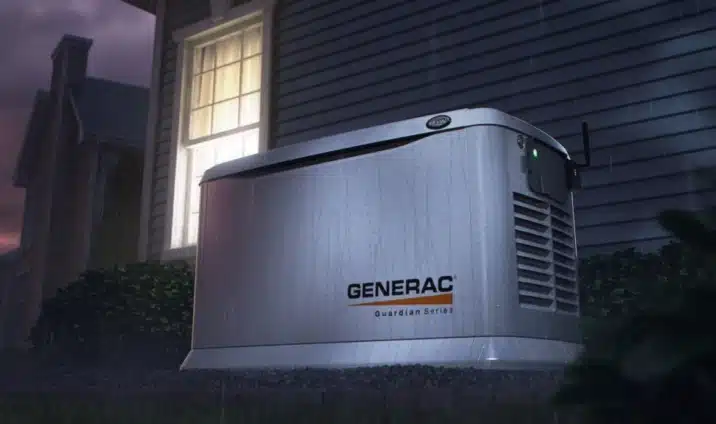
In today?s unpredictable climate, ensuring a reliable power supply is crucial for maintaining the comfort and safety of one’s home. Whole house generators serve as an essential backup power source, capable of sustaining all or most of a home’s electrical systems during outages. However, the efficiency of a whole house generator largely depends on its proper installation. The process requires careful planning and execution to ensure both optimal performance and safety. This article delves into the key aspects of efficient whole house generator installation, providing insights into preparation, execution, and maintenance.
Understanding Your Power Needs
Before installation can begin, assessing the power requirements of the entire household is crucial. This involves calculating the total wattage of all essential appliances and systems. Consider the following steps:
- Identify all critical appliances and systems that need backup power.
- Calculate the total wattage required by these appliances.
- Consult with a professional to determine the appropriate generator capacity.
Understanding these needs ensures that the generator can handle the load without overworking, which can lead to inefficiencies and potential damage. Discover expert strategies here.
Site Selection and Preparation
Choosing the Right Location
The location of the generator is critical for both operational efficiency and safety. Consider these factors when selecting a site:
- Ensure the location is well-ventilated to prevent the buildup of exhaust gases.
- Choose a site that is easily accessible for maintenance and repairs.
- Comply with local zoning laws and regulations regarding generator placement.
Proper site preparation, including creating a stable foundation and ensuring proximity to the main electrical panel, is also essential. Find out more about this approach.
Installation Process
Professional Installation
The installation of a whole house generator is a complex process best handled by qualified professionals. Key aspects include:
- Connecting the generator to the main electrical panel via a transfer switch.
- Ensuring all electrical connections are secure and compliant with safety standards.
- Conducting thorough testing to verify the generator?s functionality.
Professional installation not only assures compliance with all safety and building codes but also enhances the generator?s longevity and performance. Learn about our tailored solutions.
Integration with Home Systems
Successful integration with existing home systems is essential for seamless operation during power outages. This includes:
- Ensuring compatibility with existing electrical setups.
- Properly configuring automatic transfer switches for smooth transition during outages.
- Setting up regular self-tests to ensure preparedness.
Maintenance and Testing
Regular Maintenance
Routine maintenance is vital to keep the generator in peak condition. Maintenance activities should include:
- Regular oil and filter changes.
- Inspection of spark plugs and battery health.
- Checking for any leaks or signs of wear and tear.
Regular maintenance ensures that the generator will perform effectively whenever it is needed. Explore advanced guides and tips.
Testing and Monitoring
Periodic testing and monitoring are essential for verifying the operational status of the generator. This involves:
- Conducting scheduled power outage simulations.
- Monitoring generator performance during actual power outages.
- Utilizing remote monitoring systems for real-time status updates.
These practices help in promptly addressing any issues and ensuring the generator?s readiness for any emergency. Explore advanced guides and tips.
In conclusion, efficient whole house generator installation is a comprehensive process that demands meticulous planning, professional expertise, and ongoing maintenance. By adhering to these guidelines and utilizing professional services, homeowners can ensure their homes are well-equipped to handle power outages seamlessly.
About the Author