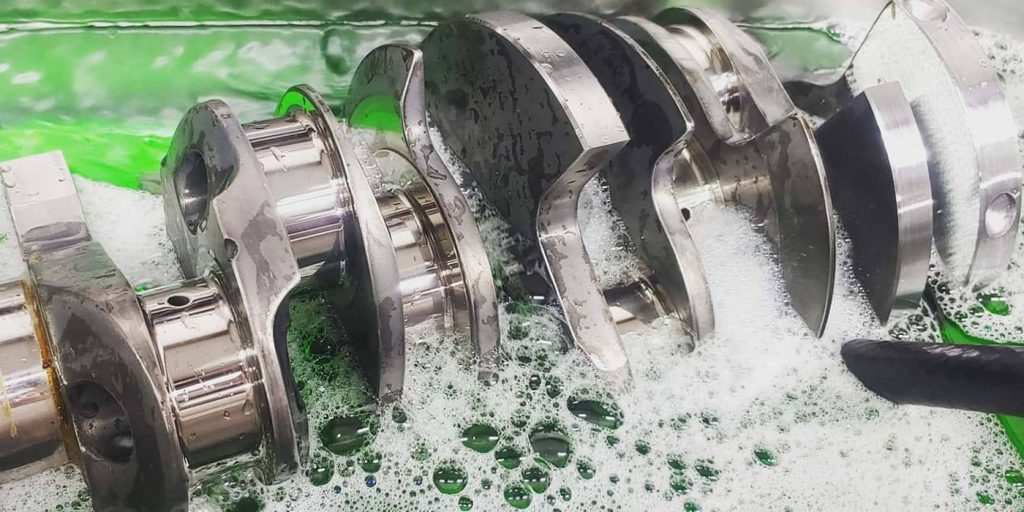
In today’s fast-paced world, maintaining the efficiency and longevity of diesel engines is crucial for many industries. A significant component in ensuring this is the Diesel Particulate Filter (DPF). Over time, these filters can become clogged with soot and other particulates, impacting engine performance and emissions. Therefore, exceptional DPF filter cleaning is essential to keep these engines running smoothly. Understanding the process and finding an expert in this field can ensure optimal performance and compliance with environmental standards.
The Importance of DPF Filter Cleaning
DPF filters are designed to capture and store exhaust soot to reduce emissions from diesel engines. However, when a filter becomes saturated, it necessitates cleaning to restore its functionality. Regular cleaning is vital for several reasons:
- Performance Optimization: A clean DPF filter ensures the engine runs efficiently, reducing fuel consumption and enhancing power output.
- Extended Lifespan: Regular maintenance prevents premature wear and tear, prolonging the engine’s lifespan.
- Environmental Compliance: Clean filters help meet stringent emission regulations, thus avoiding potential fines and legal issues.
Exceptional DPF Cleaning Techniques
Various methods are available for DPF cleaning, each with its own set of advantages. Understanding these techniques is essential for selecting the most effective approach:
Ultrasonic Cleaning
Ultrasonic cleaning is a highly efficient method that uses high-frequency sound waves to remove particulate build-up from filters. This technique is favored for its ability to reach intricate parts of the filter, ensuring a thorough clean.
Benefits of ultrasonic cleaning include:
- Comprehensive Cleaning: It reaches all parts of the filter, including difficult-to-access areas.
- Non-Invasive: This method prevents potential damage caused by more abrasive cleaning techniques.
- Environmentally Friendly: It uses biodegradable solutions, minimizing environmental impact.
Discover expert strategies here to explore how ultrasonic cleaning can benefit your DPF maintenance plan.
Thermal Regeneration
Thermal regeneration involves heating the filter to burn off accumulated soot. This method is particularly effective for removing carbon deposits and is often used in combination with other techniques for a comprehensive clean.
Compressed Air Cleaning
This technique uses high-pressure air to blow out particulates from the filter. While effective, it is generally used as a preliminary step before more thorough methods like ultrasonic cleaning.
Choosing the Right DPF Cleaning Expert
Selecting a capable DPF cleaning expert involves considering several factors to ensure quality service and optimal results:
- Experience and Expertise: Look for professionals with a proven track record and extensive knowledge of DPF systems.
- Advanced Equipment: Ensure they use the latest technology, such as ultrasonic cleaning machines, for optimal results.
- Customer Feedback: Check reviews and testimonials to gauge the reliability and quality of service.
Find out more about this approach by visiting this site to learn about tailored solutions offered by industry leaders.
Conclusion
Maintaining a clean DPF filter is an integral part of diesel engine upkeep, impacting performance, compliance, and longevity. By choosing an exceptional DPF filter cleaning expert, industries can ensure their engines operate at peak efficiency while adhering to environmental regulations. Whether through advanced techniques like ultrasonic cleaning or traditional methods, selecting the right approach is crucial. Explore advanced guides and tips here to enhance your understanding and application of DPF cleaning techniques.
About the Author